
The Best Time to Transplant Trees and Bushes in Pasco County Florida
The Best Time to Transplant Trees and Bushes in Pasco County Florida is from November to February. This period allows for optimal root establishment before the heat of summer. Follow these guidelines for successful transplanting in Florida's mild climate.
Steven
6/28/20264 min read
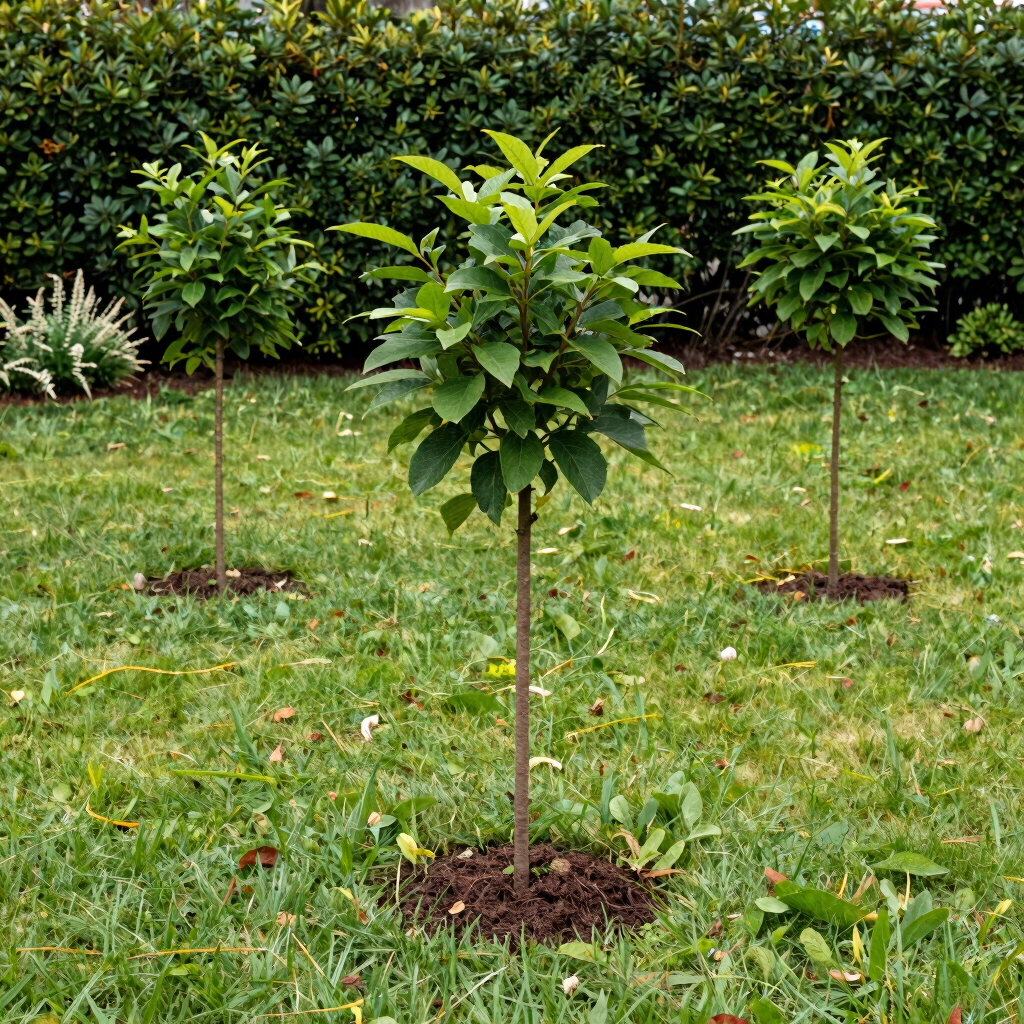
Understanding Transplant Timing
When considering the best time to transplant trees and bushes in Pasco County, it is essential to focus on the cooler months, specifically from November to February. This period provides several advantages that greatly enhance the chances of successful transplanting. During these cooler months, the air temperatures drop, significantly reducing moisture loss from the soil and the plants themselves. This is a critical factor for young trees and bushes, as they can quickly become stressed due to dehydration when transplanted in warmer conditions.
Moreover, the soil remains warm during this period, which is conducive to root establishment. Warm soil temperatures encourage root growth, allowing newly planted trees and bushes to acclimate to their new environment more effectively. This enhanced growth potential is crucial because the development of a strong root system will directly influence the plant's overall health and resilience in the months that follow.
On the contrary, transplanting in the summer months presents notable risks, chiefly the likelihood of transplant shock. The combination of high temperatures and dry conditions can severely stress transplanted trees and bushes. Summer heat increases their water needs while simultaneously heightening the risk of moisture loss, making it difficult for the plants to thrive after being uprooted. As a result, the chances of survival diminish significantly if transplanting occurs during this hotter period.
In summary, selecting the appropriate time frame for transplanting trees and bushes in Pasco County is critical. The cooler months from November to February are the most favorable due to reduced moisture loss and optimal soil conditions, ultimately supporting healthier plants in their new location. Understanding these factors can lead to more effective landscape management and the long-term success of transplanted flora.
Specific Guidelines for Different Plant Types
Transplanting trees and bushes requires careful consideration of the specific types involved, as each type has distinct timing and practices for optimal success. Understanding these guidelines will assist in ensuring healthy growth in the new location.
For deciduous trees, the best time to transplant is after they have dropped their leaves in late autumn, but before the buds begin to swell in spring. This period is advantageous as the trees enter a state of dormancy, allowing them to establish roots more effectively during the winter months. When preparing to transplant deciduous trees, it is essential to select a day that is overcast or slightly rainy to minimize stress caused by exposure to direct sunlight. Additionally, ensure that the root ball is kept intact to preserve the essential root structures, which increase the likelihood of successful establishment in the new location.
On the other hand, evergreens should be transplanted slightly earlier in the fall, preferably in September or early October. This timing allows the roots to settle before the ground freezes and winter dormancy sets in. When moving evergreens, be cautious about the moisture levels in the root ball, as these plants can be more susceptible to dehydration. It is recommendable to water them thoroughly before and after the transplant to ensure that they have adequate moisture to cope with transplantation stress. In addition, placement is crucial; evergreens should be sheltered from harsh winds in the new location to promote a favorable growing environment.
By adhering to these specific guidelines for deciduous trees and evergreens, one can significantly enhance the likelihood of a successful transplant, ensuring the longevity and health of these vital landscape elements.
Watering Techniques for Successful Transplanting
When transplanting trees and bushes, proper watering is pivotal in ensuring the survival and establishment of the plants. Newly transplanted specimens are particularly vulnerable due to the shock of relocation, which can affect their root systems. Consequently, implementing effective watering techniques is essential during the initial weeks following transplanting.
In the first few weeks after transplanting, frequent and deep watering is advised. This approach promotes the development of a robust root system, enabling the plants to absorb nutrients and moisture effectively. A good rule of thumb is to water newly transplanted trees and bushes every day for the first week, gradually reducing frequency as the plants begin to acclimate to their new environment. Early morning is the best time for watering, as it minimizes evaporation and allows plants to absorb moisture before the heat of the day.
As the plants start to establish themselves, tapering off the watering routine to 2-3 times a week is recommended. This adjustment helps to encourage deeper root growth, as the plants will seek moisture from lower soil levels. Checking the soil moisture is a crucial aspect of this process. A simple method involves digging a small hole about 2-3 inches deep near the plant. If the soil feels dry at this depth, it is time to water. Additionally, utilizing mulch around the base of the trees and bushes can help retain moisture and reduce the frequency of watering, providing both protection and hydration.
Overall, employing thoughtful watering techniques, especially during the critical initial stages, is indispensable for the successful transplanting of trees and bushes. By carefully monitoring soil moisture and adjusting watering accordingly, the transplanted plants are more likely to thrive in their new setting.
Additional Resources and Considerations
When considering the transplanting of trees and bushes in Pasco County, there are several resources and factors to keep in mind to ensure a successful project. A highly recommended resource is the University of Florida IFAS Extension. Their official planting guides provide detailed information tailored specifically to the local climate and soil conditions of Pasco County. Utilizing these guides can help you understand the ideal times for transplanting various species, as well as provide insight into the best practices for preparation and care.
Additionally, it is vital to recognize the significance of the local climate on plant care. Pasco County experiences a subtropical climate, characterized by warm temperatures and distinct wet and dry seasons. Understanding how these factors influence the health of your trees and bushes will aid in choosing the right time for transplanting. For example, spring and fall are generally recommended for transplanting in this region, as they coincide with milder weather patterns and optimal growth conditions.
Moreover, while planning your transplanting project, it is beneficial to familiarize yourself with common issues that may arise. For instance, shock after transplanting is a prevalent concern that can be mitigated through proper watering and care. Utilizing mulching techniques can also aid in moisture retention and temperature regulation of the soil. For more specific troubleshooting tips, consider consulting experienced landscapers or local gardening clubs that specialize in native plants.
In conclusion, investing time in research and utilizing resources such as the University of Florida IFAS Extension, alongside gaining insights into the local climate's impact, will significantly enhance your transplanting project's outcomes. This preparation will help you address potential challenges and improve the chances of ensuring your trees and bushes thrive post-transplant.