
Sea Grapes: Iconic Florida Coastal Shrubs
Discover sea grapes (coccoloba uvifera), Florida's iconic coastal shrubs known for their large leathery leaves and edible fruit. Learn about their ecological importance, strict regulations for prot...
Steven
7/4/20267 min read
Introduction to Sea Grapes
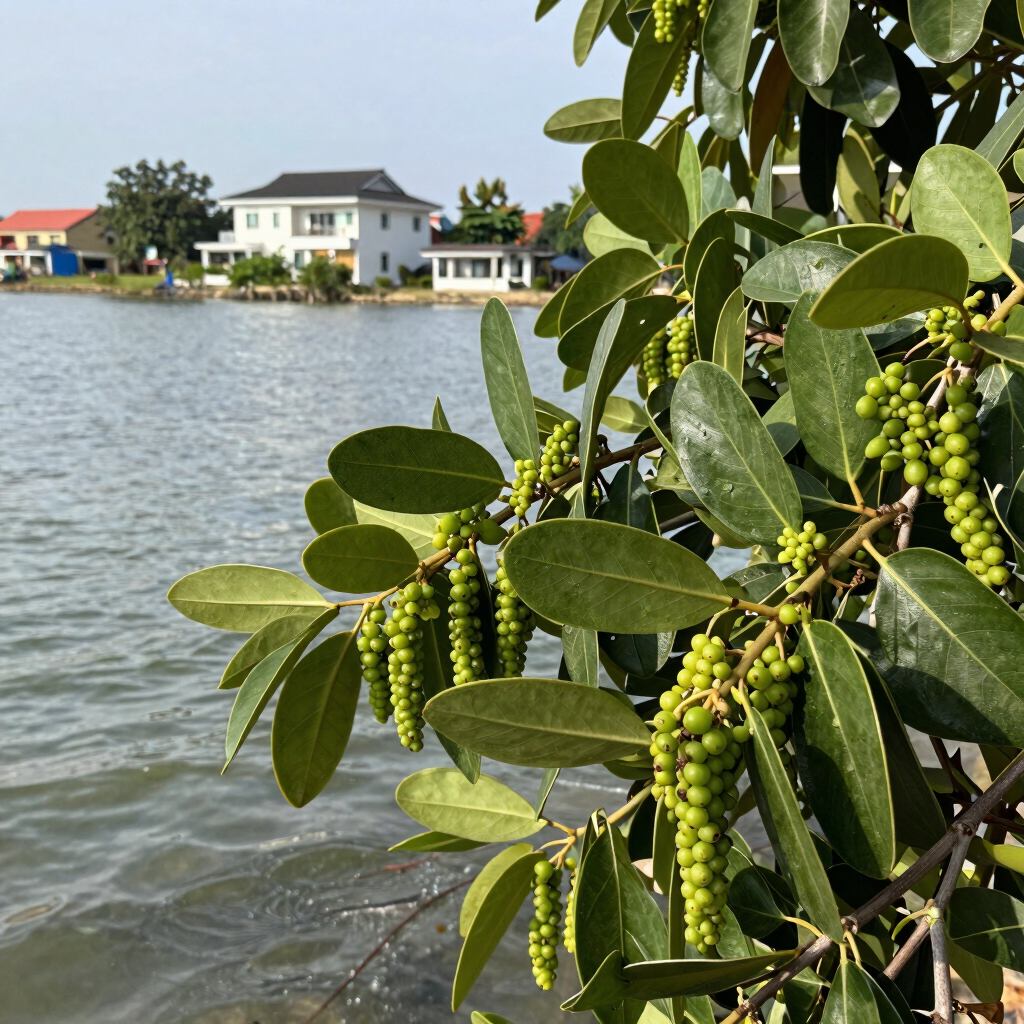
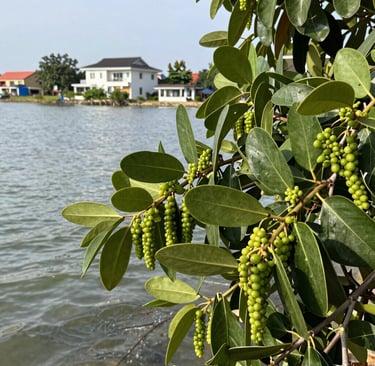
Sea grapes, scientifically recognized as Coccoloba uvifera, are distinctive coastal shrubs and trees that play a significant role in Florida's coastal ecosystem. These plants are typically found in sandy soils along the seashore, thriving in conditions that characterize tropical and subtropical environments. Their adaptability allows them to withstand the unique challenges posed by coastal habitats, such as salt spray and high winds, making them a crucial component of the ecosystem.
Physically, sea grapes are easily recognizable due to their rounded, leathery leaves that grow in clusters, resembling clusters of grapes. These leaves vary in size and can reach up to six inches in length, showcasing a rich, green hue that enhances the natural beauty of coastal landscapes. The tree can grow to heights of 10 to 20 feet, its thick trunk and broad canopy providing essential shelter for various forms of wildlife. In the late summer and early fall, Coccoloba uvifera produces inconspicuous flowers that later develop into small, edible fruit, further enriching the local fauna's dietary options.
The ecological importance of sea grapes extends beyond their aesthetic appeal. They play a vital role in stabilizing coastal soils, thereby preventing erosion and protecting inland areas from storm surges. The intricate root systems of these trees help bind the sandy soil, providing crucial support to the coastal environment. Furthermore, sea grapes offer vital habitat for numerous species of birds and insects, fostering biodiversity in these fragile ecosystems. In this capacity, they serve not only as providers of food but also as essential players in the broader ecological health of Florida's coastal regions.
Ecological Importance of Sea Grapes
Sea grapes, scientifically known as Coccoloba uvifera, play a pivotal role in maintaining the ecological integrity of Florida's coastal ecosystems. These hardy shrubs are more than just a source of food; they serve essential functions in coastal protection and habitat sustainability. A prominent contribution of sea grapes is their ability to stabilize sand dunes, a vital mechanism that helps combat beach erosion. By anchoring the sand with their extensive root systems, sea grapes mitigate the impacts of strong winds and storm surges, reducing the rate at which beaches are eroded. Thus, their presence is crucial for preserving coastal land and protecting inland areas from the ocean's encroachment.
In addition to dune stabilization, sea grapes significantly contribute to biodiversity by providing habitat and food for various wildlife species. Their berries are not only edible for humans but also attract birds and other animals, promoting a healthy food web. Furthermore, these shrubs serve as shelter for various organisms, contributing to the overall ecosystem's resilience.
Sea grapes also play a pivotal role in the conservation of sea turtles. During nesting season, female turtles are known to seek sandy beaches for laying eggs. However, artificial lighting along coastlines can disorient hatchlings, leading them away from the water. Sea grapes, with their dense foliage, provide a natural barrier that can help block artificial light, thus aiding in turtle conservation efforts. This ecological service is invaluable, as it enhances the survival chances of vulnerable sea turtle populations, which rely on undeveloped coastlines for successful nesting.
In summary, sea grapes are indispensable to Florida's coastal ecosystems. Their contributions extend beyond mere aesthetics; they enhance coastal resilience against erosion, support wildlife, and facilitate crucial conservation efforts for sea turtles.
Legal Protections Surrounding Sea Grapes
The sea grape is not only a significant element of Florida’s coastal ecosystem but is also a legally protected species under state law. In recognition of their ecological importance, strict regulations have been implemented to prevent the damage or removal of Coccoloba uvifera from state-owned shorelines. These protective measures are crucial for maintaining the integrity of coastal habitats, which rely on sea grapes for stabilization, erosion control, and as a habitat for various wildlife.
Under Florida statutes, it is illegal to damage, destroy, or remove sea grapes from public lands without appropriate authorization. This means individuals or organizations planning to undertake activities that may impact these plants must first consult with the Florida Department of Environmental Protection (FDEP) to determine the necessary permits. The FDEP has established guidelines to ensure the protection of not only sea grapes but the broader coastal ecosystem, reflecting the state's commitment to conservation.
Additionally, the Sea Grapes are often found in areas designated as Sensitive Coastal Resource Areas (SCRAs), which further intensifies the legal restrictions surrounding them. In these locales, any activity that poses a threat to the plants, including but not limited to landscaping alterations, dock construction, or other forms of development, is subject to rigorous evaluation and requires obtaining special permits. Failure to adhere to these regulations can result in significant penalties, including fines and restoration orders.
The ongoing protection of sea grapes is vital as they provide numerous ecological benefits, including acting as a buffer against storm surges, improving water quality, and creating habitats for various species. By enforcing these legal protections, Florida aims to ensure that sea grapes continue to thrive as an essential component of its coastal ecosystem.
Plant Characteristics of Sea Grapes
The sea grape, scientifically known as Coccoloba uvifera, exhibits a range of distinctive physical attributes that make it an important species in Florida's coastal ecosystem. One of the most notable features of this plant is its large, leathery leaves, which can grow up to eight inches long and four inches wide. The leaves have a glossy texture and are typically dark green, making them not only resilient but also visually appealing against the backdrop of sandy shorelines.
In terms of growth habits, sea grapes are deciduous shrubs or small trees that can reach heights of up to 25 feet. They have an irregular growth form characterized by spreading branches that can form dense thickets. This growth habit is beneficial for stabilizing sands in coastal areas, helping to prevent soil erosion and supporting the overall health of coastal ecosystems. Sea grapes are also known for their ability to adapt to a variety of soil types, though they typically thrive in sandy, well-drained soils, further underlining their importance in beach and dune environments.
Sea grapes prefer warm, tropical to subtropical climates, which are prevalent in Florida. However, it is important to note that they are sensitive to freezing temperatures, which can cause significant damage to the plant. This sensitivity necessitates careful consideration when planting sea grapes in areas that may experience occasional frost. Their preference for full sun and resistance to salt spray allow them to flourish along coastlines, showcasing their unique adaptability to harsh marine conditions.
Fruit Production and Edibility of Sea Grapes
The sea grape plant, scientifically known as Coccoloba uvifera, plays a significant role in Florida's coastal ecosystem, especially through its unique fruit production process. Female sea grape plants are responsible for producing the clusters of fruit found along the coast. The fruiting process begins with the plant's small, inconspicuous flowers, which are typically greenish or yellowish and grow in dense clusters during the late spring months. Successful pollination of these flowers results in the development of small, green berries that gradually mature over several months into the characteristic purple or green fruit recognized for its distinctive flavor.
As the berries ripen, they become soft and sweet, making them highly sought after for culinary applications. The flavor profile of sea grapes can be described as a combination of tartness and sweetness, reminiscent of a mix between a grape and a berry. This unique taste makes them suitable for various uses in the kitchen. Among the most popular culinary applications are jellies and jams, where the tartness provides an interesting contrast to the sweetness often desired in spreadable condiments. Moreover, the fruit is utilized in the production of wines that boast a tantalizingly fruity essence, appealing to those looking for an alternative to traditional grape wines.
In addition to jellies, jams, and wine, the fruit can be eaten fresh, showcasing its ability to enhance desserts and salads. Its rich nutrient profile, including vitamins and fiber, adds to its appeal among health-conscious consumers. Thus, the sea grape not only contributes to the ecological balance of coastal regions but also enriches the culinary experiences available to those who explore its potential. The cultivation and appreciation of this unique fruit underscore its importance in Florida’s coastal gastronomy.
Landscaping with Sea Grapes
Incorporating sea grapes, scientifically known as Coccoloba uvifera, into residential landscaping presents numerous benefits for homeowners, particularly in coastal areas. These versatile plants not only enhance aesthetic appeal but also contribute to environmental sustainability. Sea grapes are well-suited to Florida's climate, exhibiting remarkable drought resistance once established. This characteristic makes them an excellent choice for eco-friendly landscaping, as they require minimal irrigation compared to traditional choices.
Furthermore, sea grapes serve as effective windbreaks. Their dense foliage can shield homes from harsh coastal winds, reducing energy costs associated with heating and cooling while providing comfort to outdoor spaces. This natural barrier is instrumental in protecting other landscape elements, from delicate flowers to infrastructures like patios and pools.
When it comes to privacy, sea grapes can be strategically placed to create natural screening. Their broad leaves and robust growth habit form a lush barrier that can obscure views without the need for unsightly fences. This privacy hedging benefit enhances outdoor living areas, allowing homeowners to enjoy their gardens in seclusion while contributing positively to the overall landscape design.
Sourcing sea grapes for landscaping is convenient, especially from native nurseries that promote local flora. These nurseries typically offer healthy, native plants that are well-adapted to the local environment, ensuring a higher success rate when planting. When planting sea grapes, consider grouping them to maximize their windbreak capabilities and visual impact. With their various benefits, sea grapes can seamlessly integrate into landscape designs, supporting both functional and aesthetic desires.
Conclusion
Sea grapes, scientifically known as Coccoloba uvifera, play a significant role in Florida's coastal ecosystem. Their presence contributes to the stabilization of sandy shorelines, effectively mitigating erosion and providing essential habitat for various wildlife. These resilient plants, adapting to the saline environments typical of coastal areas, support diverse species while fostering biological diversity. The fruits produced by sea grapes are not only a food source for birds and insects but can also be harvested and enjoyed by humans, enhancing the local ecological and culinary landscape.
Moreover, sea grapes are protected under various legal standards, which underscores their importance in maintaining the health of coastal habitats. This protection helps ensure that future generations will continue to benefit from the rich ecosystem services provided by these plants. Adhering to regulations regarding the harvesting and handling of sea grapes is vital for their preservation. Responsible stewardship, therefore, should involve promoting sustainable practices and awareness about the ecological significance of sea grapes.
As communities in Florida recognize the landscape potential of Coccoloba uvifera, there is an increasing trend toward incorporating them into coastal landscaping projects. Such initiatives not only enhance aesthetic appeal but also contribute positively to environmental sustainability by reinforcing local flora and fauna. Educating the public about the ecological benefits and legal protections surrounding sea grapes is crucial. Individuals are encouraged to engage in conservation efforts by participating in local stewardship programs aimed at preserving and propagating these vital plants.