Prevent Lawn Damage: Pick Up Dog Poop Before Mowing
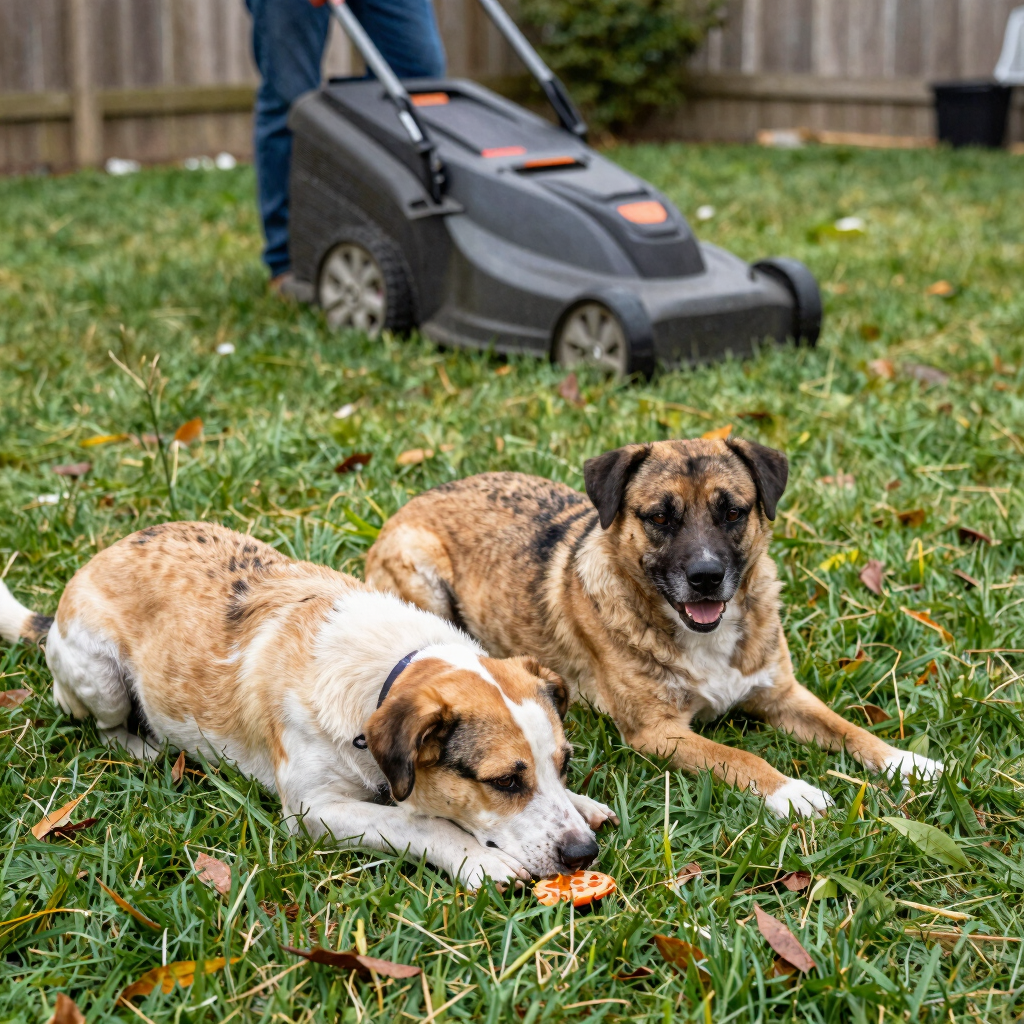
Always pick up dog poop before mowing your lawn to avoid damaging your grass. Dog waste is acidic and can burn your lawn. Mowing over it spreads bacteria like E. coli and Giardia, posing health risks. Protect your yard and mower by cleaning up first.
Steven
7/21/20265 min read
Understanding the Impact of Dog Waste on Your Lawn
Dog waste is an often-overlooked contributor to lawn health, yet its presence can significantly affect the condition of your grass. One of the main issues caused by dog poop is its highly acidic nature. The acids found in dog waste can alter the pH balance of the soil, leading to an unfavorable environment for grass growth. Over time, without proper management, this acidic accumulation can result in yellowing patches, indicating stress on the grass.
Furthermore, dog poop contains a high nitrogen content. While nitrogen is an essential nutrient for grass, an excessive amount can do more harm than good. When dog waste is left on the lawn, the nitrogen can overwhelm the grass, leading to potential "burn" marks where the grass appears brown and unhealthy. This phenomenon occurs as the grass roots become overexposed to the concentrated nitrogen in the waste, creating an imbalance in nutrient absorption.
Regularly removing dog waste before mowing is crucial to maintaining a healthy lawn. When you mow over dog poop, it can break apart and spread harmful bacteria and pathogens across your yard. Not only does this create unsightly brown spots, but it may also promote the growth of unwanted pests and fungal diseases, further threatening the vitality of your lawn. The act of mowing can inadvertently disturb these pathogens, allowing them to impact the overall health of your grass and soil.
In conclusion, understanding the impact of dog waste is vital for any homeowner seeking to maintain a lush, vibrant lawn. By regularly picking up dog poop and ensuring the grass remains nourished and balanced, you can prevent damage caused by its acidic properties and high nitrogen levels, ultimately fostering a healthier and greener outdoor space.
The Risks of Mowing Over Dog Poop
Mowing a lawn without first picking up dog poop can lead to a series of health risks and contamination issues. Dog feces can harbor harmful bacteria and parasites, such as E. coli and Giardia, which pose serious health threats not only to pets but also to humans. When a lawn mower makes contact with feces, the force can cause it to break apart and disperse microorganisms throughout the yard. This can result in a wide spread of pathogens, contaminating both soil and grass.
One of the most concerning aspects of this scenario is how it can affect people, particularly children who often play on the grass. E. coli, for example, can lead to severe gastrointestinal illnesses, while Giardia can cause gastrointestinal distress, leading to symptoms such as diarrhea, cramps, and nausea. Engaging in outdoor activities on contaminated areas increases the likelihood of transmission, making sanitation an important issue.
Furthermore, not only humans but also pets can fall ill from these pathogens. Dogs and cats may contract parasites from ingesting contaminated grass or soil while roaming in the yard. This can lead to extended veterinary expenses and discomfort for the pets involved. Therefore, it becomes crucial to understand that proper sanitation extends beyond aesthetics; it is a public health measure, ensuring safe environments for both two-legged and four-legged inhabitants. The risks associated with mowing over dog feces underscore the importance of responsible pet ownership, which includes managing waste appropriately.
In summary, neglecting to pick up dog poop before mowing can create a hazardous environment filled with harmful bacteria and parasites, putting the health of both pets and humans at significant risk. Taking the necessary steps to ensure cleanliness is essential for maintaining a safe and enjoyable outdoor space.
Best Practices for Lawn Care and Dog Waste Management
Effective lawn care and proper dog waste management go hand in hand for dog owners. A well-maintained lawn contributes to a healthy yard, while adequate management of pet waste is crucial in preserving the environment. One essential strategy is establishing a routine poop patrol; regular inspections of your yard help identify and remove any dog waste promptly. Aim to conduct these checks at least once a day, especially in areas frequented by your dog.
Another practical approach is creating a designated dog potty area within your yard. This designated space not only makes waste collection more manageable but also directs your dog's activity to a specific region, minimizing the spread of waste across your lawn. Choose a spot that is easily accessible for both you and your pet while also ensuring it is a comfortable place for your dog to relieve itself.
When it comes to disposal methods, several options are available to dog owners. Standard plastic bags remain a popular choice for waste collection, but there are more eco-friendly alternatives to consider. Biodegradable waste bags, for instance, offer a sustainable solution that reduces the environmental impact of dog waste. Additionally, some companies provide compostable bags, allowing you to transform pet waste into fertilizer, thereby contributing to nutrient-rich soil.
For those who prefer a low-maintenance approach, you may also consider installing a dog waste composting system in your backyard. These systems break down waste into a safe compost material that can be utilized in your garden, provided you adhere to proper guidelines to ensure compost safety.
Incorporating these best practices into your routine ensures effective management of dog waste, promoting a healthier lawn while being environmentally responsible. By committing to regular maintenance and adopting innovative disposal methods, you can enjoy a well-kept yard for both your family and your canine companion.
Conclusion: The Benefits of Maintaining a Clean Lawn
Maintaining a clean lawn is an essential practice that contributes to both aesthetic appeal and functional safety. One of the key responsibilities of pet ownership is to ensure that the area where pets play is free from waste. Picking up dog poop before mowing the lawn not only enhances the appearance of the outdoor space but also promotes overall lawn health. When pet waste is not removed, it can compact the soil and create an unhealthy environment for grass and other plants to thrive.
Moreover, dog feces can harbor parasites and bacteria, posing health risks to pets and children who may come into contact with them during play. By regularly cleaning up after a pet, families can significantly reduce the chance of these health concerns, ensuring that their lawn serves as a safe space for activity and relaxation. Maintaining hygiene in outdoor spaces is vital, as it minimizes unpleasant odors and discourages unwanted pests that may be attracted to the waste left behind.
Furthermore, having a clean lawn can evoke a sense of pride for pet owners and their families. It reflects responsible pet ownership practices and enhances the overall outdoor experience for everyone. By instilling a routine of picking up dog waste, homeowners can foster a healthier environment for their families and neighbors, promoting community well-being. In conclusion, the benefits of picking up dog poop before mowing extend beyond mere aesthetics; they encompass lawn health, hygiene, and safety, reinforcing the importance of adopting responsible practices in pet care.
If you own a dog, check out the "Cute Puppy Life" website for the best tips and information about dog-care.