Top Mosquito Repelling Plants in Pasco County Florida
Discover the mosquito repelling plants in Pasco County Florida. Using aromatic herbs and flowers like lemongrass, lavender, and marigolds. Learn the best planting tips and effective strategies to keep your yard mosquito-free while enhancing your garden's beauty.
Steven
5/24/20267 min read


Introduction to Mosquito Control
Effective mosquito control is a critical aspect of maintaining public health and comfort, especially in regions such as Pasco County, where warm weather and humidity provide an ideal breeding ground for these pests. Mosquitoes are not only a nuisance; they are vectors for various diseases, including West Nile virus, Zika virus, and dengue fever. The prevalence of such health risks underscores the need for vigilant mosquito management strategies, which can significantly reduce the population and minimize potential health hazards.
Natural mosquito control methods have gained popularity as an environmentally friendly alternative to chemical pesticides. These natural techniques are often safer for humans, pets, and the ecosystem at large. By utilizing organic repellents, strategic landscaping, and biological control methods, residents of Pasco County can effectively deter mosquitoes while preserving their immediate environment. For instance, planting certain species of flora known to repel mosquitoes—or employing natural predators like dragonflies—can help manage local mosquito populations without the adverse effects associated with synthetic pesticides.
Moreover, understanding the life cycle of mosquitoes can empower local communities to take proactive measures. Mosquitoes breed in stagnant water; therefore, eliminating standing water sources from yards and neighborhoods is a simple, yet effective, step toward reducing their numbers. By promoting awareness and education about mosquito control, individuals can contribute to a healthier community, decreasing mosquito populations, and thereby enhancing outdoor activities and overall quality of life.
The Benefits of Planting Mosquito-Repelling Flora
Planting mosquito-repelling flora offers a dual advantage; not only does it contribute to a reduction in mosquito populations, but it also enhances the overall aesthetic appeal of outdoor spaces. The incorporation of specific aromatic plants such as lavender, marigolds, and citronella can effectively deter these insects due to their natural oil content, which is unappealing to mosquitoes. This method of pest control aligns well with an eco-friendly approach, ensuring that the garden remains beautiful while minimizing reliance on chemical repellents.
Aromatic plants, such as basil and rosemary, serve as excellent companions in garden settings. They not only provide culinary benefits but also produce scents that confuse and repel mosquitoes. Additionally, these plants can attract beneficial pollinators like bees and butterflies, creating a more vibrant garden ecosystem. By integrating mosquito-repelling herbs and flowers into landscape designs, residents of Pasco County can create layers of charm and utility.
The cultivation of mosquito-repellent plants can also foster a healthier environment. These plants generally require less maintenance and are adapted to local conditions, making them resilient choices for landscaping. Moreover, adding colorful flowers and fragrant herbs can improve the visual appeal of gardens, leading to a more inviting outdoor space for family gatherings or recreational activities.
By choosing mosquito-repelling flora, homeowners can achieve a harmonious balance between natural pest management and aesthetic enhancement. The result is a serene outdoor sanctuary where one can relax without the nuisance of mosquitoes, thus promoting a more enjoyable experience in the great outdoors.
Top Mosquito-Repelling Plants for Florida
In the warm climate of Florida, certain plants exhibit remarkable properties that can help deter mosquitoes effectively. By incorporating these plants into your garden or outdoor living spaces, you can create a more pleasant environment while also reducing mosquito populations.
Lemongrass is one of the most effective natural mosquito repellents. This plant contains citronella, a compound known for its ability to repel mosquitoes. Growing lemongrass not only enhances your garden's aesthetic but also provides a natural solution to keeping these pests at bay.
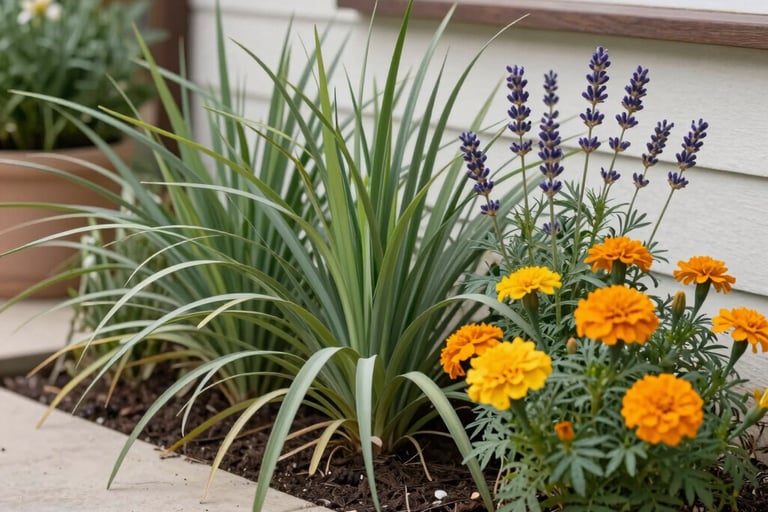
Lavender is another excellent choice for Florida gardens. The soothing fragrance of lavender is not only enjoyable for humans but repulses mosquitoes and other insects. This hardy plant thrives in Florida's climate and can be easily maintained, making it a desirable option for homeowners.
Marigolds, with their vibrant blooms, offer more than visual appeal. These flowers release a scent that is particularly effective in keeping mosquitoes away. Their ability to thrive in Florida's heat makes marigolds a popular choice for both beauty and function.
Rosemary is a versatile herb that doubles as a mosquito repellent. Its aromatic quality deters many flying insects, including mosquitoes. Furthermore, rosemary is a valuable culinary herb, providing utility in the kitchen alongside its insect-repelling qualities.
Basil not only serves as a delightful culinary herb but also acts as a natural mosquito deterrent. Its strong scent is unappealing to mosquitoes, making it an excellent plant to have in any garden. Additionally, beautyberry, a native plant, produces fruits that are known to repel mosquitoes and can be an attractive addition to landscaping.
By planting these mosquito-repelling plants, Floridians can enjoy their outdoor spaces while minimizing the nuisance of mosquitoes. Each of these plants offers unique benefits and can be easily integrated into various garden designs, contributing to a more enjoyable outdoor environment.
Planting and Placement Tips
When it comes to deterring mosquitoes in Pasco County, selecting the right plants and strategically positioning them is crucial. Certain species are known for their natural mosquito-repelling properties, among them citronella, lavender, marigolds, and rosemary. These plants not only enhance the aesthetics of your garden but also serve a practical purpose in keeping these pests at bay.
When planting these mosquito-repelling plants, consider utilizing containers rather than exclusively in-ground placement. Container gardens allow for greater mobility; they can be moved around the yard to find the optimal sunlight and airflow conditions that maximize their mosquito-repelling capabilities. Moreover, pots allow for an organized, structured layout which can be particularly effective in smaller spaces. This arrangement can make it easy to maintain and replace plants that may not thrive as expected.
The placement of these plants in relation to your outdoor living spaces is paramount. Positioning them near walking paths, patios, or balconies creates a barrier that helps redirect mosquitoes as you use these areas. The scents emitted from these plants can deter mosquitoes, and when located along pathways, they create an aromatic shield as you traverse through your yard. It’s also beneficial to group these plants together to enhance their effect, as the combined scents can create a stronger repellent barrier.
Additionally, remember to regularly prune and water these plants to keep them healthy and vibrant. A healthy, thriving garden will be more effective in repelling mosquitoes. Furthermore, the addition of herbs like basil and mint can augment the effectiveness, as these fresh plants also produce strong scents that mosquitoes find unappealing. Through careful planting and placement strategies, homeowners in Pasco County can successfully create an environment less conducive to mosquito presence.
Maintaining a Mosquito-Free Yard: Managing Water Sources
One of the most effective strategies to reduce mosquito populations in your yard is to manage water sources carefully. Mosquitoes require stagnant water to breed, making the elimination of standing water essential in preventing their proliferation. By being vigilant about potential water-holding areas in your garden, you can significantly diminish the chances of an insect infestation.
Regular maintenance of items such as bird baths, gutters, and plant pots is crucial. Bird baths should be emptied and cleaned weekly to ensure that water does not stagnate. If bird baths are not frequently used, consider utilizing ornamental features that do not retain water or incorporate a fountain that keeps the water moving. Similarly, gutters must be checked regularly for blockage; clogged gutters can become a perfect breeding ground if water remains stagnant. To maintain proper drainage, clear debris such as leaves and twigs consistently.
Additionally, containers that collect rainwater, such as buckets or flowerpots left outside, should be overturned or stored in a manner that eliminates the chances of collecting water. Make it a routine to inspect any areas on your property that could harbor standing water, including toys, tarps, and garden equipment. Plant pots that are not being actively used can be stacked or placed in a sheltered area to avoid water accumulation.
Lastly, pay special attention to low-lying areas in your yard where water naturally collects after rainfall. If such areas persist, consider landscaping solutions that improve drainage, preventing water from pooling. By implementing these strategies consistently, residents can maintain a mosquito-free yard and enhance their outdoor experience while protecting themselves from potential mosquito-borne diseases.
Additional Gardening Advice for Pasco County
For residents of Pasco County looking to cultivate a mosquito-repelling garden, understanding the local soil patterns is crucial. The dominant soil type in the area is generally sandy, which provides good drainage but may require regular amendments for optimal plant health. Adding organic matter, such as compost, can significantly improve nutrient retention and enhance soil quality, promoting the growth of various mosquito-repellent plants.
Incorporating native plants alongside traditional mosquito-repelling flora like citronella and marigolds is a highly effective strategy. Native species such as the Southern Blue Flag Iris or the Sweetbay Magnolia not only thrive in the local climate but also attract various beneficial insects that can help maintain a balanced ecosystem. These plants can complement your mosquito-repellent varieties, creating a vibrant and diverse garden.
When planning your garden layout, consider positioning taller plants at the back, with shorter ones towards the front, to maximize sunlight exposure. This design ensures that all plants receive adequate light, further enhancing their growth. Additionally, implementing a natural mulch layer can help retain soil moisture, discourage weed growth, and provide a habitat for ground-dwelling insects that contribute to pest control.
Furthermore, local gardening resources, including extension services and gardening clubs, can be excellent avenues for obtaining tailored advice. Engaging with community gardening events or workshops can significantly enhance your understanding of pest management strategies specifically suited for the Pasco County environment. Embracing these practices not only supports personal gardening success but can also contribute to the wider community's efforts in managing mosquito populations effectively.
Final Thoughts and Community Resources
As we draw our discussion to a close, it is essential to reiterate the importance of natural methods for deterring mosquitoes, particularly in areas such as Pasco County, where these pests can affect outdoor activities. By adopting practices like proper garden maintenance, utilizing companion planting, and creating mosquito-repellent habitats, residents can significantly reduce their mosquito populations. This proactive approach not only enhances comfort during outdoor gatherings but also contributes to a healthier local ecosystem.
Transforming your garden into a less hospitable environment for mosquitoes is crucial. Simple changes, such as removing standing water, planting mosquito-repelling plants, and introducing natural predators like bats and birds, can be effective strategies. Furthermore, community members are encouraged to collaborate on initiatives promoting a mosquito-free environment, which can lead to greater awareness and collective action.
For those seeking further guidance and resources related to mosquito control and gardening, local extension offices serve as invaluable assets. In Pasco County, the UF/IFAS Pasco County Extension Office provides information on best practices for managing mosquito populations, as well as recommendations on suitable plants for your garden. They also offer workshops and educational resources to empower residents in their gardening efforts.
Engaging with local gardening communities, online forums, or social media groups can also offer insights and support as you implement natural methods to deter mosquitoes. These platforms provide opportunities to share experiences, ask questions, and learn from others who are likewise committed to creating peaceful and enjoyable outdoor spaces.
By taking informed action and utilizing available community resources, you can foster a healthier, mosquito-free environment, allowing everyone to enjoy the beauty of Pasco County’s outdoors.