
Effective Weed Management Techniques for Florida
Discover effective weed management techniques to manage severely overgrown weeds in your Florida garden and yard. Explore solutions for weed management and maintain a healthy outdoor space with our expert tips.
Steven
5/13/20265 min read
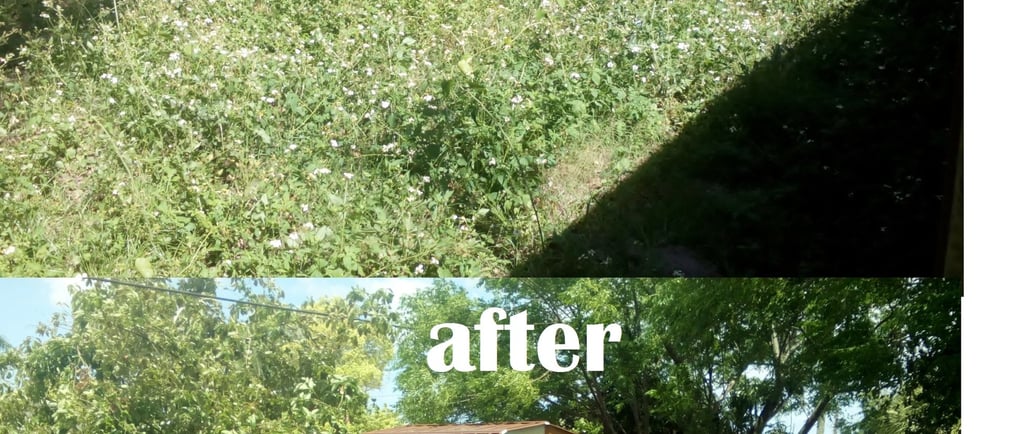
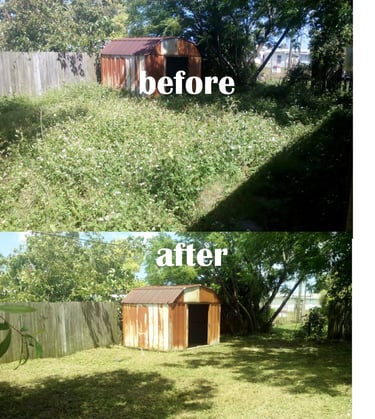
Understanding the Problem of Overgrown Weeds
Overgrown weeds pose significant challenges for gardeners and landscapers, affecting not only the visual appeal of green spaces but also the health of cultivated plants and local ecosystems. The presence of unchecked weed growth can create unsightly views, leading to an overall decrease in garden aesthetics. When left unmanaged, these plants compete with desirable flora for critical resources such as sunlight, water, and nutrients, which can hinder the growth and survival of cultivated species.
One of the primary reasons weeds proliferate rapidly is their ability to adapt and thrive in various environmental conditions. Many varieties of weeds possess robust growth characteristics, allowing them to establish expansive root systems and produce vast quantities of seeds. Some species can germinate within days under favorable conditions, exacerbating the weed problem. Additionally, the lack of timely intervention—such as regular weeding or mulching—can lead to a rapid increase in weed populations, making management more difficult.
The impact of overgrown weeds extends beyond individual gardens, potentially disrupting local ecosystems. Weeds can alter soil composition and nutrient availability, which may have cascading effects on native plants and local wildlife. Invasive weed species, in particular, can displace native flora, thereby threatening biodiversity. Consequently, addressing the issue of overgrown weeds is crucial for maintaining healthy gardens, supporting plant health, and preserving local environments.
Timely intervention and appropriate weed management techniques are essential to mitigate these challenges. Recognizing the signs of weed proliferation early on enables gardeners to implement more effective strategies, thus safeguarding both the aesthetic and ecological integrity of their green spaces.
Tools and Methods for Cutting Down Weeds
Managing severely overgrown weeds necessitates the use of appropriate tools and methods tailored to the level of infestation. An effective approach requires understanding the different options available, ensuring not only efficiency but also safety during the process.
One of the most versatile tools for cutting down weeds is the string trimmer. This device employs a monofilament line that rotates at high speeds, effectively slicing through dense weed growth. When using a string trimmer, one should maintain a steady posture, hold the tool firmly, and position it at a comfortable angle to minimize fatigue. It's advisable to wear protective gear, including goggles and gloves, to shield oneself from debris and potential injuries.
For tougher, woody weeds, a machete can be a practical option. This large knife is well-suited for swing cuts in overgrown areas where precision is less critical. When opting for a machete, it is vital to ensure that the blade is sharp, which facilitates cleaner cuts while reducing the effort required. Maintaining a safe distance from others during operation is crucial, given the potential for accidental injury.
A more powerful alternative for extensive overgrowth is the brush hog. This large rotary mower can tackle thick brush and small trees, making it suitable for larger plots of land. Operating a brush hog requires some skill; it is recommended to follow manufacturer instructions closely and to operate the mower at the correct speed for optimal results. Adequate preparation involves clearing the area of obstructions to prevent damage to both the tool and the user.
In conclusion, selecting the right tool is paramount for effectively cutting down weeds. Depending on the severity of the overgrowth, employing a string trimmer, machete, or brush hog will enable homeowners and gardeners to manage their weed problems efficiently. Regardless of the choice, ensuring safety measures are in place will further enhance the weed-cutting experience.
Removing Debris and Preparing the Area
Once the process of cutting down overgrown weeds has been completed, it is imperative to promptly remove any resulting debris from the area. This step is essential, as leaving cuttings and other organic material on the ground can potentially lead to regrowth of unwanted plants, rendering your efforts ineffective. Utilize a rake or a garden claw to gather cuttings efficiently. Ensure that all weed remnants are removed and collected, especially if they include seed heads that can propagate further growth.
Disposing of the cuttings properly is also crucial in maintaining the health of your garden. There are several options available, including composting or bagging for municipal waste collection. If you choose to compost, ensure that the weed species cut down is compatible with composting. For instance, perennial weeds may require a hot compost system to kill off seeds and root fragments. Alternatively, bagging the debris prevents any risk of spread, particularly for aggressive weed types.
After debris removal, preparing the soil for the next steps is vital. Begin by assessing the current soil condition, which may be compacted or unbalanced due to extensive weed growth. To improve soil structure, consider aerating the area. This can be accomplished using a garden fork or a mechanical aerator to allow for better water absorption and nutrient infiltration. Additionally, incorporating organic matter such as compost can enhance soil fertility, supporting future plant growth.
Site preparation plays a pivotal role in successful reseeding. Ensure you level the soil surface to create a conducive environment for new seed germination. Take this opportunity to also evaluate drainage patterns; if standing water is a concern, consider altering the landscape to promote adequate drainage. By following these steps, one sets a solid foundation for a healthy, weed-free garden moving forward.
Killing Weeds Root System: Chemical and Natural Methods
Effectively managing severely overgrown weeds requires targeted approaches, particularly when striving to eliminate their root systems. Two primary methods for killing the remaining roots of weeds involve the use of chemical herbicides, such as glyphosate, and natural alternatives, for instance, 30% vinegar. Each method comes with distinct advantages and disadvantages.
Glyphosate is a systemic herbicide that penetrates the weed’s foliage, traveling down to the roots and effectively killing the entire plant. One significant advantage of glyphosate is its efficiency; it can achieve visible results within a few days. However, it poses potential health and environmental risks, making proper application and safety precautions essential. Users should wear protective gear, including gloves and masks, to avoid skin contact and inhalation. After treatment, it is crucial to wait approximately one to two weeks before reseeding the area, allowing the chemical to break down and minimizing the risk of harming new seedlings.
On the other hand, 30% vinegar serves as a natural alternative to chemically-based herbicides. Its high acidity levels can destroy weed foliage and roots effectively. While vinegar is safer for the environment and individuals applying it, the downside is that it requires repeated applications for optimal results, as it may not penetrate the soil as deeply as chemical options. Additionally, vinegar can harm desirable plants if not applied with caution. A waiting period after using vinegar is generally less strict but should ideally last at least a week to ensure all herbaceous growth has ceased.
Another effective method to eliminate weed roots is through smothering techniques, which involve covering the affected area with tarps or cardboard. This method deprives weeds of sunlight and air, leading to their eventual death. This natural method not only helps to kill weeds but also enriches the soil as the materials decompose. While slow, this technique can be highly effective, with results often visible after a few weeks to months, ensuring that all root systems are adequately handled.