
Lawn Care Tips for Drought Stress in Florida
Discover essential lawn care tips to manage drought stress in your Florida lawn. Learn how to identify drought symptoms, effective watering techniques, and best practices to keep your grass healthy...
Steven
7/12/20264 min read
Understanding Drought and Its Effects on Grass
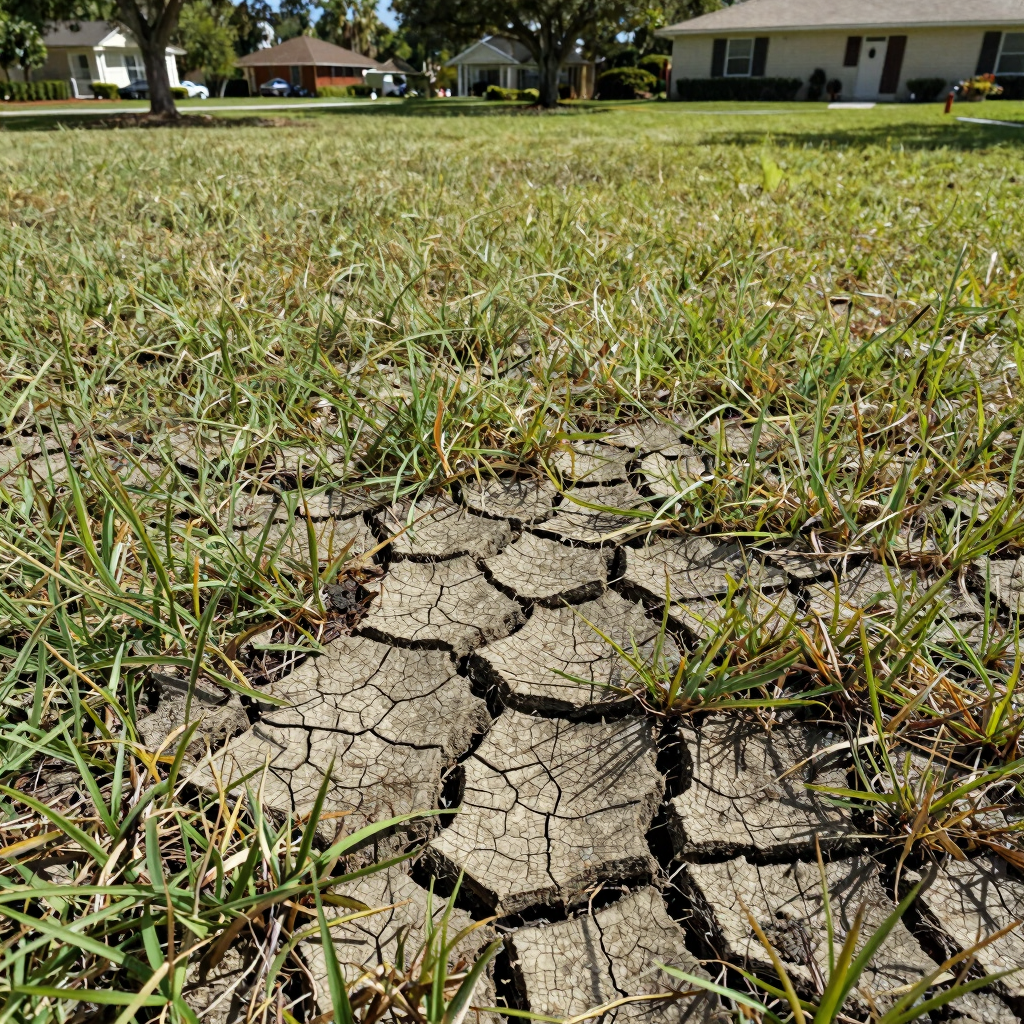
Drought is a natural phenomenon that significantly impacts various ecosystems, including lawns in Florida. During periods of limited rainfall and elevated temperatures, grass can experience stress, leading to noticeable changes in appearance and health. As the moisture levels in the soil decline, grass begins to exhibit a bluish-gray hue, an early indicator of drought stress. This color change signifies that the grass is not receiving enough water to maintain its normal green appearance.
In response to prolonged dry conditions, many grass types enter a state known as dormancy. This physiological process allows the grass to conserve energy and resources when water is scarce. While dormant, grass may develop brown patches and appear lifeless; however, it is essential to understand that dormant grass is not dead. Instead, its roots continue to exist in a dormant state below the soil surface, ready to revive once the appropriate moisture levels are restored.
Key indicators of drought stress extend beyond color changes. Homeowners may observe uneven patches and thinning areas, indicating that grass is struggling to survive. Foot traffic on stressed areas can leave impressions, revealing the impacted sections. Additionally, the overall growth rate declines, making it evident that the grass is not thriving. Awareness of these signs is crucial for timely intervention, ensuring that the lawn receives adequate water when conditions improve.
Understanding how drought affects grass in Florida is essential for lawn care. Appropriate management strategies can mitigate the impact of these dry spells, helping maintain lawn health and appearance. Although drought conditions may appear alarming, with the right practices and sufficient water, lawns can recover and rejuvenate after a dry spell.
Signs of Drought Stress: How to Assess Your Lawn
Maintaining a healthy lawn in Florida, especially during prolonged dry spells, requires vigilance. One of the primary indicators of drought stress is the appearance and behavior of the grass. Regularly monitoring your lawn for signs of wear and tear is essential in determining its health and vitality. An effective method to assess drought stress involves a simple footstep test. Walk across your lawn and observe your footprints closely; if they linger and are visible for an extended period, it is a clear indication that your grass is under significant stress.
The ability of grass to bounce back after stepping on it is an important factor to consider. Healthy, well-watered grass should spring back immediately after pressure is applied. In contrast, if footprints remain visible for a prolonged period, it suggests that the grass blades are dehydrated and potentially suffering from drought stress. This may be accompanied by a slightly brown or grayish hue in the grass, which indicates that the plant is entering a state of conservation.
In addition to the footprint test, other visual signs of drought stress include wilting leaves, a change in texture, and a noticeable slowdown in growth. When evaluating your lawn, keep an eye out for any patches where the grass appears to be thinning or turning brown. Early detection of these symptoms is crucial as it allows for timely interventions such as watering or applying mulch, which can assist in maintaining soil moisture and promote recovery.
Furthermore, regularly inspecting your lawn can help you establish a connection with its health, ensuring you can take prompt action when necessary. The earlier you can identify drought stress, the more effectively you can address it, allowing your lawn to thrive even during the toughest dry spells. Consistent monitoring will ultimately support your lawn's resilience.
Effective Watering Techniques for Drought Conditions
Caring for your lawn during Florida's dry spells requires a strategic approach to watering that prioritizes efficiency and compliance with local regulations. Given the constraints imposed by drought periods, it is imperative to adhere to the guidelines set by municipal authorities regarding water use. These regulations are designed to conserve water resources while ensuring that lawns can maintain adequate health during challenging conditions.
One of the most effective methods to water your lawn in drought situations is through deep irrigation sessions that occur in the early morning hours. Watering during this time minimizes evaporation, as cooler temperatures and reduced wind speeds create ideal conditions for moisture retention in the soil. This practice not only conserves water but also encourages deeper root growth, which is essential for grass health and resilience.
For optimal results, aim to apply approximately 0.5 to 0.75 inches of water per session. This amount is sufficient to penetrate the root zone of most grass types found in Florida, ensuring that the grass receives the moisture required to endure dry spells. Employing a rain gauge or a similar measuring device can help determine how much water your irrigation system delivers, allowing for precise adjustments as needed. Additionally, consider the use of soaker hoses or drip irrigation systems to achieve targeted, deep watering without excessive waste.
Consistency is key during drought conditions. Water your lawn deeply yet infrequently to encourage roots to dive deeply into the soil, making the grass more tolerant of heat and dry conditions. By implementing these effective watering techniques, you can ensure your lawn remains healthy and vibrant even when facing Florida's dry spells.
Community Insights and Expert Tips on Lawn Dormancy
During Florida's dry spells, many homeowners may worry when their lawns turn brown and look lifeless. However, it is essential to recognize that what seems like a desolate yard is often the natural phase of dormancy for various grass types. Lawn care experts emphasize that dormancy is a stress response to unfavorable conditions, and the grass is not dead; rather, it is conserving resources to survive until more favorable weather returns.
The overarching theme in expert advice is the importance of understanding the specific type of grass that a homeowner has in their lawn. Different grass species react differently to drought and heat; for instance, St. Augustine and Bahia grass have distinct dormancy patterns. Community discussions often reveal that localized advice provides the most effective strategy for managing lawns during dry spells. Engaging with local gardening forums or extension services can yield valuable, tailored guidance.
Water management is a critical aspect of supporting dormant grass. While dormant, grass roots can still absorb moisture, albeit at much-reduced rates. Experts recommend watering infrequently yet deeply when temperatures rise, which helps maintain the viability of dormant roots. This method encourages the development of a healthy root system that will spring back to life once irrigation conditions improve. Homeowners should also familiarize themselves with their local watering restrictions, as adhering to these guidelines not only conserves water but also ensures compliance with community regulations.
In conclusion, understanding lawn dormancy goes beyond merely accepting a brown lawn; it encompasses proactive management and informed decision-making based on community insights and expert recommendations. Every region has its unique considerations, and being well-versed in these can significantly enhance lawn health during dry periods.