Best Trees to Plant in Florida Hurricane Zones
Discover the best trees to plant in Florida hurricane zones. Learn about hurricane-resistant trees like the sabal palm, southern live oak, and more, which feature deep roots and flexible branches to withstand strong winds.
Steven
5/26/20268 min read
Understanding Hurricane Zones in Florida
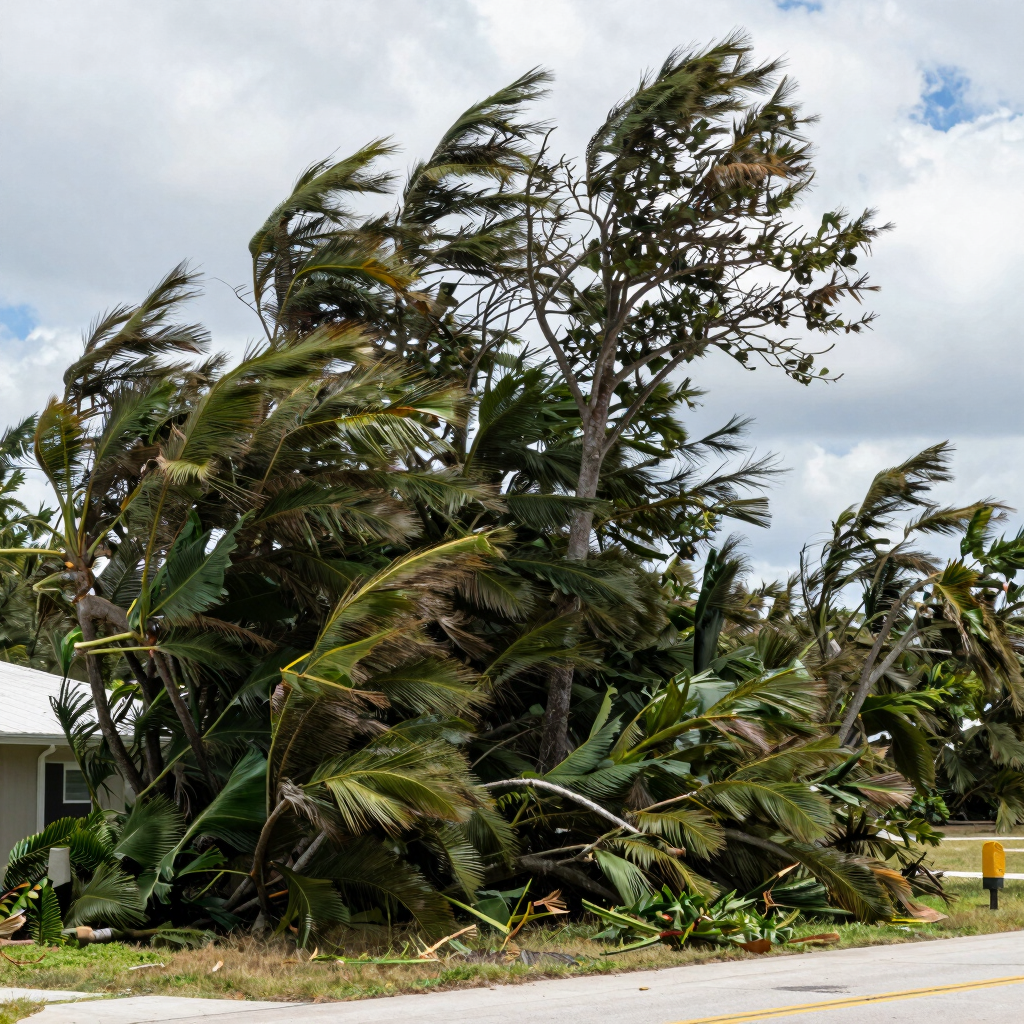
Hurricane zones in Florida are geographical areas that are particularly susceptible to the adverse effects of tropical storms and hurricanes. Due to its unique position in the Atlantic hurricane belt, Florida experiences a significant number of these intense weather events each year. The historical frequency of hurricanes has made it essential for residents to consider the implications of such occurrences on their landscaping and tree selection.
To effectively prepare for the harsh conditions associated with hurricanes, it is vital to understand how the strong winds, heavy rainfall, and sodden ground can impact trees. The root systems, trunk strength, and overall adaptability of trees are critical factors that contribute to their ability to endure extreme weather. Choosing trees that are not only aesthetically pleasing but also resilient in nature is crucial for both safety and the sustainability of the landscape.
The devastation caused by hurricanes can lead to significant damage, not only to properties but also to the natural resources within residential areas. Trees that fail to withstand the forces of high winds can break, uproot, or become projectiles, posing risks to structures and individuals alike. Therefore, selecting tree varieties known for their structural integrity against winds is essential. For example, some native species are more adept at handling the stress imposed by storms, often exhibiting stronger root systems that anchor them firmly to the ground.
Moreover, heavy rain can saturate the soil, further complicating tree stability. Trees that can thrive in wet conditions while maintaining a strong, upright structure are preferred in hurricane zones. In conclusion, having the right knowledge about hurricane zones and selecting appropriate tree species can significantly mitigate risks and enhance the resilience of Florida landscapes against hurricanes.
Characteristics of Hurricane-Resistant Trees
When considering trees for planting in a hurricane zone, certain characteristics denote the resilience necessary to withstand extreme weather conditions. One of the most critical features is a deep root system. Trees with robust root structures tend to anchor themselves securely in the ground, allowing them to withstand the violent winds and torrential rains associated with storms. The depth and spread of a tree’s roots can greatly influence its stability, serving as a foundation that supports the tree during severe weather events.
In addition to root systems, flexible branches play an essential role in hurricane resilience. Trees that possess supple branches can bend with high winds rather than break. This ability to flex reduces the likelihood of branch failure, which can be damaging not only to the tree itself but also to surrounding structures and landscapes. Species known for their pliable branches are typically better able to endure the forces exerted by hurricane winds, minimizing potential damage.
Another significant aspect is the tree's low center of gravity. Trees that grow wide and low are generally more stable than those that are tall and spindly. A low center of gravity helps them resist toppling over during high winds. When selecting trees for hurricane-prone areas, it is advantageous to choose species that develop broad canopies and stout trunks, as they are more likely to remain upright through severe storms.
Finally, the overall structure of the tree matters immensely. A well-balanced, structurally sound tree, with strong branching patterns and solid trunk growth, is inherently more capable of resisting the extremes of hurricane conditions. Trees lacking these structural traits are at higher risk of uprooting or sustained damage. By understanding these characteristics, individuals can make informed decisions about which trees are best suited for planting in hurricane zones.
Top Native Choices for Hurricane-Resistant Trees in Florida
When considering trees to plant in a Florida hurricane zone, selecting native species can help enhance resilience to high winds and flooding. Native trees are adapted to the local environment and often possess characteristics that aid in surviving severe weather conditions.
One of the standout choices is the Sabal Palm (Sabal palmetto). This iconic tree not only represents Florida’s landscape but is also recognized for its ability to withstand strong storms. The Sabal Palm grows tall with a robust trunk—its fronds may bend with strong winds but typically do not break, making it a reliable option for hurricane-prone areas.
Another excellent candidate is the Live Oak (Quercus virginiana). Known for its widespread canopy, the Live Oak is both majestic and durable. Its strong, flexible branches allow it to sway with the wind rather than snap, ensuring its survival during violent storms. Additionally, its deep root system stabilizes it against uprooting.
The Florida Maple (Acer saccharum var. floridanum) is also worthy of consideration. This deciduous tree has a solid structure and flexible limbs that contribute to its hurricane resistance. Its fall foliage provides a stunning visual display, making it an aesthetically pleasing choice for residential areas.
Lastly, the Red Maple (Acer rubrum) offers versatility and wind resistance. This tree responds well to various soil conditions and can tolerate flooding, which is common after hurricanes. Its rapid growth and ability to rebound after storms make it a preferred option for many homeowners.
By planting these hurricane-resistant trees, residents can not only enhance the beauty of their landscapes but also contribute to stronger ecosystems that are better equipped to face the challenges posed by Florida’s hurricane season.
Detailed Look at the Southern Live Oak
The Southern Live Oak (Quercus virginiana) is widely recognized as one of the most resilient tree species in hurricane-prone regions, particularly across Florida. This impressive tree is celebrated for its deep anchoring roots, which allow it to withstand high winds and severe weather conditions, a crucial trait for survival in areas affected by hurricanes. The roots extend far beneath the surface, forming a strong network that not only provides stability but also improves its resistance to uprooting during storm events.
Beyond its root system, the Southern Live Oak boasts a broad and expansive canopy that can spread over 80 feet wide. This wide canopy plays a significant role in reducing wind velocity around the tree, effectively acting as a natural barrier. By dispersing the force of the wind across its massive branches, the Southern Live Oak minimizes the risk of limb breakage and overall structural failure. Such characteristics make it a protective ally in any landscape challenged by extreme weather.
The strength of the Southern Live Oak lies not only in its dimensions but also in its overall durability. This tree species has a dense wood structure that enhances its ability to withstand hurricane-force winds. Furthermore, the unique growth pattern of the Southern Live Oak, characterized by its low, sprawling branches, further contributes to its resilience. By growing lower to the ground, these branches are less prone to snapping compared to taller trees, ensuring that the structure remains robust even in the face of ferocious storms.
These attributes, combined with its timeless beauty and ecological benefits, make the Southern Live Oak an ideal choice for planting in Florida’s hurricane-prone zones. As a tree that embodies strength and resilience, it serves as a powerful testament to nature's ability to survive and thrive in challenging conditions.
Exploring the Gumbo Limbo: Florida’s Resilient Tourist Tree
The Gumbo Limbo tree (Bursera simaruba), often referred to as the "tourist tree" due to its distinctive, peeling bark resembling a sunburned tourist, is a notable species well-suited for Florida's hurricane zones. This tropical deciduous tree is valued not only for its visual appeal but also for its impressive resilience in the face of severe weather disturbances, particularly hurricanes, which frequently impact the region.
One of the remarkable features of the Gumbo Limbo is its unique bark, which exfoliates in thin layers, revealing a bright green layer underneath. This characteristic serves a dual purpose; it enhances the tree’s ability to adapt to high winds while simultaneously reducing the risk of bark-boring insect infestations. The tree's flexible branches and shallow root system allow it to bend rather than snap under the force of strong winds, a quality that is especially essential in hurricane-prone areas.
In addition to its physical attributes, the Gumbo Limbo tree showcases exceptional regenerative capabilities. After experiencing damage from high winds, this tree is known for its ability to sprout new growth quickly. This rapid regeneration makes the Gumbo Limbo an ideal candidate for those looking to plant trees in locations that are susceptible to powerful storms. Property owners can feel confident that even after extreme weather events, the gumbo limbo will recover, providing ongoing beauty and shade to the landscape.
Furthermore, the tree supports local ecosystems by providing habitat for various birds and insects, which can thrive in its foliage. Its drought tolerance also ensures its survival during less rainy seasons, further establishing its reputation as a resilient species. Consequently, the Gumbo Limbo tree stands out as a favored selection for both ecological and practical reasons, making it an excellent addition to any landscape in Florida's hurricane zones.
The Flexible Sabal Palm: Florida’s State Tree
The Sabal Palm (Sabal palmetto), recognized as Florida's state tree, is renowned for its remarkable resilience, particularly in hurricane-prone regions. Its unique adaptation lies in its highly flexible trunk and fronds, enabling it to bend in strong winds without succumbing to breakage. This characteristic makes the Sabal Palm an ideal choice for landscaping in Florida, where hurricanes can cause significant destruction. Unlike many traditional trees that may snap under intense storm conditions, the Sabal Palm showcases a natural ability to withstand the pressures brought about by extreme weather.
With its tall, slender trunk and fan-shaped leaves, the Sabal Palm embodies both aesthetic appeal and practical benefit. As a species, it exhibits hardiness, thriving in coastal areas, swamps, and regions with sandy soils. Beyond its physical attributes, the Sabal Palm holds a special cultural significance in Florida, symbolizing the state's identity and natural heritage. It is often used in local landscaping and is featured in numerous Florida-themed artwork, contributing to its status beyond mere flora.
This palm's ability to remain upright during adverse weather conditions while providing shade and beauty makes it a staple in residential and commercial landscapes alike. Its role extends beyond aesthetics as it plays a crucial part in the local ecosystem, offering habitat and nourishment to various wildlife species. Gardeners and landscapers appreciate the Sabal Palm not only for its hurricane resilience but also for its low maintenance needs, requiring minimal irrigation and care.
In conclusion, the Sabal Palm is a testament to nature’s ingenuity in adapting to the challenges posed by Florida's hurricane zone. Its durability, coupled with its cultural importance, positions it as a premier choice when selecting trees that are both beautiful and robust enough to thrive in Florida’s unique climate conditions.
Trees to Avoid in Hurricane Zones
When considering tree selection in Florida's hurricane zones, it is essential to be aware of particular species that are prone to damage during severe weather conditions. Trees that feature shallow root systems, brittle wood, and those that grow tall without sufficient stabilization can present significant risks. Among the most problematic varieties are laurel oaks, water oaks, and certain species of palms.
Laurel oaks (Quercus laurifolia) are known for their rapid growth and dense foliage, which may seem advantageous. However, their shallow root systems often struggle to anchor the tree during heavy winds, making them susceptible to uprooting. In addition, laurel oaks can suffer from wood decay, further compromising their structural integrity and leading to hazardous situations during storms.
Water oaks (Quercus nigra) present similar challenges. While they can thrive in wet conditions, their relatively weak wood does not withstand hurricane-force winds well. This tree species tends to split and break easily during severe storms, increasing the likelihood of branch failure and potential damage to surrounding properties.
Certain palm varieties, especially the queen palm (Syagrus romanzoffiana) and foxtail palm (Wodyetia bifurcata), also pose risks in hurricane-prone areas. Although palms are often perceived as resilient, these species have weak trunks that can bend or snap in high winds. Their fronds can act like sails, catching the wind and further destabilizing the tree, consequently leading to the potential for injury or property damage.
In light of these vulnerabilities, careful consideration is crucial when selecting trees for planting in hurricane zones. Understanding the risks associated with these specific species can aid in preventing landscape damage and ensuring safety during severe weather events.