
Battery-Powered Lawn Equipment for Residential Use
Discover the benefits of battery-powered lawn equipment for residential users. Enjoy quiet, low-maintenance, and eco-friendly operation with instant starting and lighter weight. Learn about their limitations and how they compare to gas-powered tools.
Steven
5/8/20264 min read
Understanding Battery-Powered Lawn Equipment
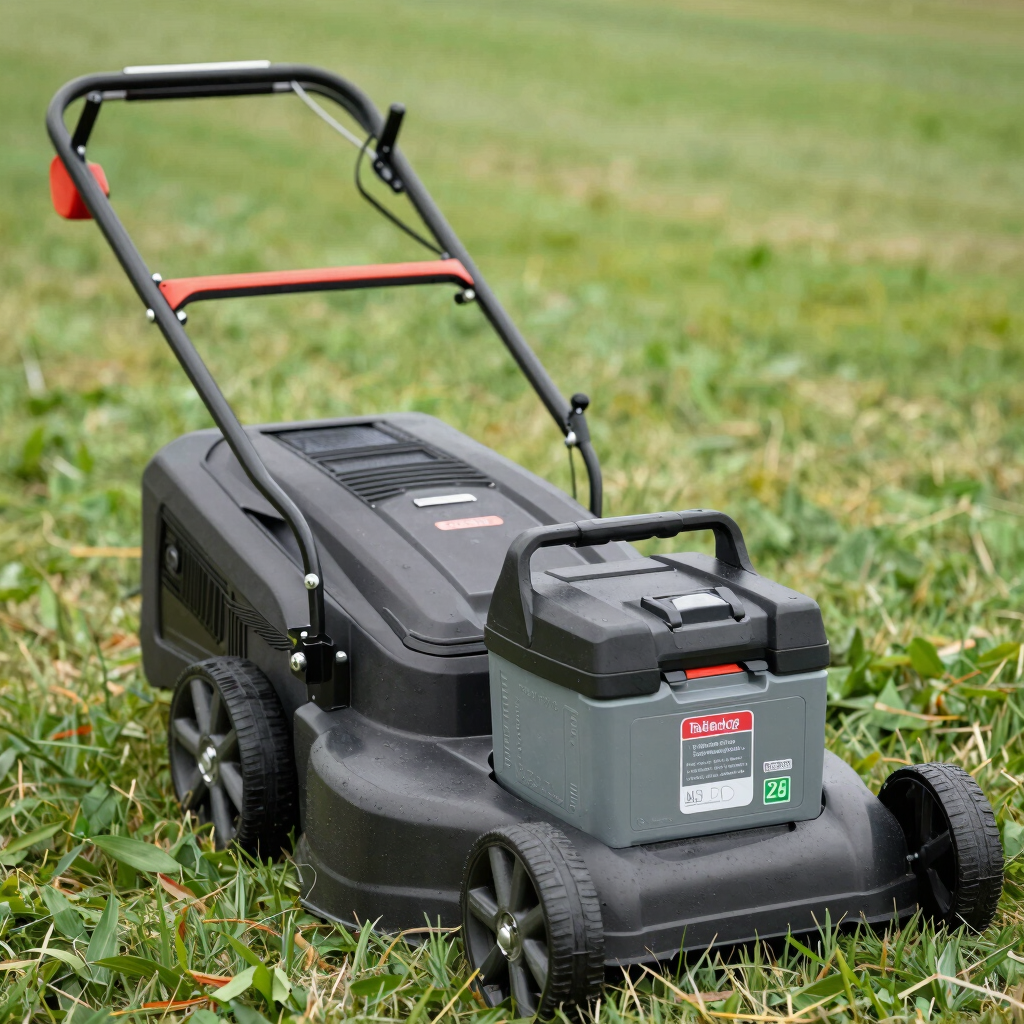
Battery-powered lawn equipment has gained significant traction in recent years, driven by an increasing awareness of environmental sustainability and a desire for quieter, cleaner alternatives to traditional gas-powered tools. This category of tools includes various types of equipment, such as electric lawn mowers, string trimmers, leaf blowers, and hedge trimmers, all designed to cater to the diverse needs of homeowners.
These battery-powered tools operate by using rechargeable lithium-ion batteries, which provide a powerful and efficient energy source without the emissions typical of gas engines. Unlike their gas-powered counterparts, battery-operated machines offer an eco-friendly solution that produces minimal noise pollution and avoids harmful exhaust fumes, making them ideal for residential settings, especially in areas with noise ordinances.
The design features of battery-powered lawn equipment contribute to their appeal. Most models are lightweight and ergonomically designed, allowing users to maneuver them easily and comfortably during operation. Additionally, many manufacturers incorporate innovative technology that enables fast charging, extended run times, and user-friendly interfaces. As a result, operators can enjoy seamless functionality, even during longer yard care sessions.
Moreover, the advanced technology in these tools often includes brushless motors, which enhance performance and prolong battery life. Unlike traditional gas-powered equipment, where performance can diminish as the fuel runs low, battery-powered lawn tools maintain consistent power output until the battery is depleted. This allows for efficient and uninterrupted use, making yard maintenance more manageable.
In summary, the rise of battery-powered lawn equipment signifies a shift towards sustainable outdoor solutions. By understanding the operational mechanisms and benefits of these tools, homeowners can make informed decisions about their lawn care practices, promoting environmental responsibility while effectively maintaining their properties.
Advantages of Using Battery-Powered Lawn Equipment
Battery-powered lawn equipment has garnered significant attention due to its multifaceted advantages, making it an increasingly popular choice among homeowners. One of the most notable benefits is the remarkably quiet operation of these tools. Unlike traditional gas-powered equipment, which can create considerable noise pollution, battery-operated models allow homeowners to maintain their lawns without disturbing the tranquility of residential areas. This feature makes them particularly appealing for those who value peaceful living environments or who have neighbors close by.
Another advantage of battery-powered lawn equipment is their reduced maintenance requirements. Gas engines require regular maintenance, including oil changes, air filter replacements, and spark plug checks, all of which can be time-consuming and costly. In contrast, electric lawn tools typically need minimal upkeep, with most maintenance limited to blade sharpening and battery charging. This efficiency translates into saving time and money, allowing homeowners to focus on their landscaping tasks rather than equipment upkeep.
Moreover, battery-powered equipment provides significant environmental benefits. Using these tools eliminates harmful emissions typically associated with gas engines, thus contributing to cleaner air quality. As pollution concerns continue to rise, choosing battery-operated options stands as an eco-friendly alternative, aligning with sustainable practices that many homeowners are eager to adopt. Additionally, the convenience of instant starting enhances their appeal; users can simply press a button and begin working, without the need for pull cords or warm-up time.
Lastly, battery-powered lawn equipment tends to weigh less than their gas-powered counterparts, making them easier for users to handle. This lightweight design reduces fatigue during prolonged use, allowing homeowners of all ages to effectively manage their lawns with ease. Overall, the array of benefits associated with battery-powered lawn equipment presents a persuasive case for their adoption in contemporary lawn care.
Limitations of Battery-Powered Lawn Equipment
As the adoption of battery-powered lawn equipment grows among homeowners, it is crucial to acknowledge the limitations that accompany these tools. While they offer significant environmental advantages, certain drawbacks may influence a homeowner's decision. One prominent issue is the shorter run times associated with battery-operated devices. Most batteries are capable of supporting use for a limited duration, which can become inconvenient, particularly for larger yards or extensive landscaping tasks. Homeowners may find themselves needing to pause and recharge batteries, extending the overall time spent on lawn care.
Additionally, the upfront costs of these battery-powered devices can be higher than their gasoline-powered counterparts. While users may save on fuel and maintenance costs over time, the initial investment can deter homeowners from transitioning to electric options. This financial consideration becomes even more pronounced for those who require multiple tools, as purchasing several battery-operated devices adds to the overall expense.
Battery capacity is another concern; many homeowners discover that the power output may be insufficient for challenging mowing conditions, such as thick or tall grass. Users attempting to tackle tougher foliage may experience a reduction in torque, leading to suboptimal cutting performance. Consequently, battery-powered lawn equipment may not always deliver the reliable efficiency that some homeowners expect, particularly in demanding situations.
In summary, while battery-powered lawn equipment presents an eco-friendly alternative for landscaping, it is essential to consider the limitations associated with shorter run times, higher costs, and potential performance issues. Understanding these factors can help homeowners make informed decisions regarding their lawn maintenance solutions.
Choosing the Right Battery-Powered Lawn Equipment for Your Needs
When selecting battery-powered lawn equipment, it is essential to consider individual requirements to ensure optimal performance and satisfaction. A primary factor to assess is the size of your yard. For smaller lawns, lightweight models may suffice, whereas larger areas may necessitate more robust equipment with extended battery life and power capacity. Understanding your lawn's dimensions can help you choose between trimmers, mowers, and blowers that are appropriately sized for efficient operation.
The type of vegetation present also influences your choice. For instance, if your yard has thick grass or dense landscaping, you may require a more powerful tool to achieve effective cutting and maintenance. Investigating the specifications of various models, including their cutting widths and motor capacities, will aid in identifying equipment that can handle the specific needs of your landscape.
Ease of use is another important consideration. Many battery-powered lawn tools are designed to be user-friendly, with features that enhance comfort and efficiency, such as adjustable handles, lightweight designs, and intuitive controls. Additionally, look for equipment with quick battery charging times and interchangeable batteries to minimize downtime during lawn care.
Lastly, evaluate your budget alongside performance and maintenance requirements. Higher-end models often provide greater durability and advanced features, which can be a worthy investment for regular users. However, there are also affordable options that offer satisfactory performance for occasional maintenance. Researching warranties and service support can further guide your selection, ensuring that you choose equipment that provides value and reliability throughout its lifecycle.