
Master the 1/3 Mowing Rule for Healthy Lawns
Learn the best practices of the 1/3 mowing rule to maintain your lawn's health. Discover how proper mowing height management can reduce stress, encourage deep roots, and prevent diseases while effectively managing overgrown grass.
Steven
5/1/20268 min read
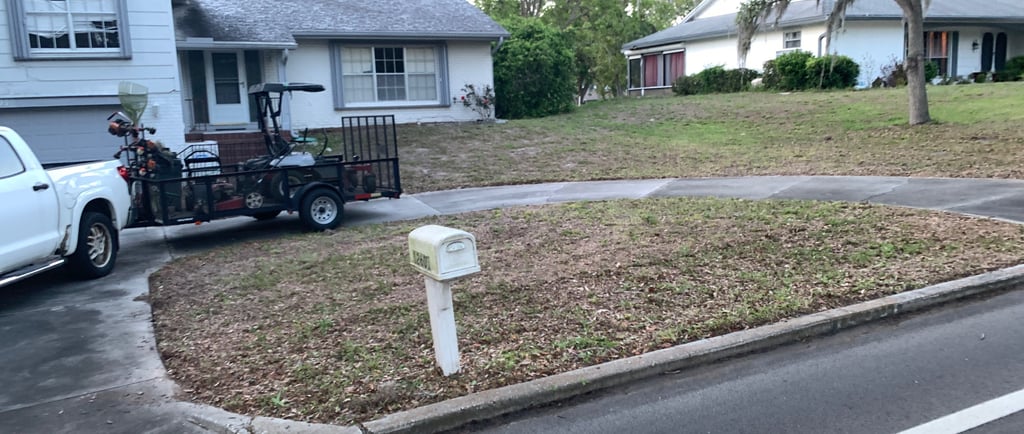

Understanding the 1/3 Rule for Lawns
The 1/3 rule is a widely accepted guideline in lawn care that recommends not removing more than one-third of the height of grass blades during a single mowing session. This practice is crucial for maintaining a healthy and resilient lawn. Grass, like many plants, images its growth through its leaf blades, which play a significant role in photosynthesis. When excessive height is removed, the plant experiences additional stress and can suffer various adverse effects.
By adhering to the 1/3 rule, homeowners can ensure that their grass maintains sufficient leaf area for effective photosynthesis. This is particularly important during the growing season when the grass actively seeks sunlight to fuel its growth. When more than a third of the grass blade is cut at once, it not only diminishes the plant’s capacity to photosynthesize but can also lead to weakened root systems, making the lawn more susceptible to diseases and pests.
Furthermore, regular adherence to the 1/3 mowing rule contributes to a more even distribution of nutrients throughout the lawn. A well-maintained grass height fosters a denser lawn, which can outcompete weeds for resources, thereby contributing to overall lawn health. It also helps mitigate the risk of scalping, which occurs when the mower blades cut too close to the ground, exposing soil and potentially leading to bald patches. In essence, following the 1/3 rule ensures that your lawn remains robust, green, and aesthetically pleasing while minimizing maintenance stress.
Optimal Height Management for Your Lawn
Maintaining an optimal grass height is fundamental to achieving a healthy lawn that thrives throughout the growing season. The 1/3 rule serves as a guiding principle for managing this height effectively. According to this guideline, you should never remove more than one-third of the grass blade's height during a single mowing session. This approach encourages robust root systems and minimizes stress on the grass.
To apply the 1/3 rule, begin by establishing your desired grass height based on your specific grass type. For example, if your target height is 3 inches, mow when the grass reaches approximately 4.5 inches. In doing so, you will only be cutting one-third of the grass off, allowing the remaining two-thirds to support photosynthesis and root growth adequately.
If you find yourself with overgrown grass, first assess how much taller it is than your target height. If it is 6 inches tall, you can mow it back down to around 4 inches in the first mow, adhering to the 1/3 rule. Subsequent mowings can then bring it down to the desired height of 3 inches without stressing the lawn. It is crucial to avoid cutting too much at once, as this may lead to scalping, which can inflict damage and make the grass more susceptible to pests and diseases.
In addition to height management, adjusting your mowing frequency based on the season and growth rate of your grass is essential. During periods of rapid growth, it may be necessary to mow weekly, while slower growth in cooler months may warrant bi-weekly mowing. Regular adherence to the 1/3 rule, paired with timely mowing, helps maintain a lush and vibrant lawn that can withstand environmental stresses and remains visually appealing.
Seasonal Adjustments: Mowing Frequency and Height
The maintenance of a healthy lawn requires an understanding of seasonal variations in growth rates, which directly influences mowing frequency and height. During the spring months, when the grass typically experiences rapid growth due to warmer temperatures and increased rainfall, lawn care practitioners must adapt their mowing practices to account for this vigor. The ideal mowing frequency during this period may increase to once a week or even more frequently, depending on the specific grass type and local climate conditions. This frequency is essential to uphold the 1/3 rule, which dictates that no more than one-third of the grass height should be removed in a single mowing session. This rule helps promote strong root health and minimizes stress on the grass, especially during its peak growth phase.
As the seasons transition into summer, the growth rate typically slows down due to higher temperatures and reduced moisture. Consequently, lawn care strategies should be adjusted appropriately. Mowing may be reduced to every two weeks as the grass height stabilizes. It is crucial to monitor the lawn's health closely, as over-mowing during this slower growth phase can cause unnecessary strain on the grass, thus limiting its ability to photosynthesize effectively. Maintaining the recommended height, alongside appropriate mowing intervals, ensures that the grass retains sufficient leaf area to promote healthy growth.
In preparation for autumn, care should also be taken to gradually lower the mowing height towards the end of the season. This practice not only helps prevent potential diseases caused by damp grass blades but also encourages a lush, green growth in the upcoming spring. Ultimately, effective lawn management hinges on understanding and responding to seasonal changes, thus optimizing mowing frequency and height in alignment with the 1/3 rule.
Preparing Your Mower: Setting the Right Height
Maintaining an optimal lawn height is crucial for the health and appearance of your grass. A key component in achieving this is properly preparing your mower before every cut. Setting the right mower height is vital to comply with the 1/3 rule, which dictates that no more than one-third of the grass blade should be removed in a single mowing session. Following this guideline helps in fostering a robust, lush lawn while minimizing stress on the grass.
Before starting to cut, it is essential to check your mower's deck height. Most mowers come with adjustable settings, allowing you to change the cutting height based on the type of grass and seasonal growth patterns. For instance, during the early growing season, the mower may need to be set lower to encourage thicker growth, while higher settings can be maintained during the warmer months to prevent drought stress. Begin by consulting your mower's manual to identify the recommended height settings for your specific turf type.
After familiarizing yourself with the height options, adjust the mower deck accordingly. This can typically be achieved by disengaging the blade and using the lever or wheel adjustment mechanism, depending on your mower model. Pay special attention to ensuring that all wheels are set at the same height, as uneven cutting can lead to scalping, resulting in damaged patches on your lawn.
Additionally, it is beneficial to clean the mower deck regularly to ensure effective cutting performance. Grass clippings and debris can accumulate and affect the mower's efficiency. A well-set mower, aligned with the 1/3 rule, contributes to an even cut, promoting a healthier lawn free of weeds and diseases. In conclusion, by diligently preparing your mower and adhering to the recommended cutting heights, you lay the foundation for a thriving lawn that is aesthetically pleasing and environmentally resilient.
Benefits of Adhering to the 1/3 Rule
Adhering to the 1/3 rule is a fundamental principle in lawn care that significantly influences the health and appearance of a turf. This rule suggests that no more than one-third of the grass blade should be removed at any single mowing. Observing this guideline results in numerous benefits that enhance lawn vitality and resilience.
One of the primary advantages of the 1/3 rule is its contribution to effective photosynthesis. By retaining at least two-thirds of the grass blades, the lawn continues to harness sunlight efficiently, facilitating a robust process of energy production. This continuous photosynthetic activity not only helps the grass to thrive but also promotes deeper and more extensive root systems, ensuring the grass can access necessary nutrients and moisture from the soil.
Additionally, the 1/3 rule plays a critical role in weed control. When the grass is allowed to grow to an appropriate height before mowing, it can outcompete many common weeds that prefer shorter grass. Taller grass shades the soil, reducing sunlight penetration and inhibiting weed seed germination. Furthermore, by promoting a denser and healthier turf, the likelihood of weeds taking root diminishes significantly.
Finally, maintaining proper mowing heights through adherence to the 1/3 guideline ensures optimal root growth. Healthy roots anchor the grass securely and improve its drought resistance. A lawn that is mowed correctly is less susceptible to diseases and environmental stressors, further enhancing its overall resilience and aesthetic appeal.
In conclusion, the benefits of following the 1/3 rule extend beyond mere aesthetics, enhancing the grass's ability to photosynthesize, aiding in weed suppression, and fostering strong root systems. This simple yet effective guideline serves as a cornerstone for achieving flourishing and sustainable lawns.
Consequences of Breaking the 1/3 Rule
Maintaining a healthy lawn involves adhering to several best practices, one of the most critical being the 1/3 rule, which advises against removing more than one-third of a grass blade's height in a single mowing session. Violating this guideline can result in a multitude of negative consequences that can severely impact the lawn's aesthetic appeal and health.
When homeowners cut their grass too short, the grass plants can become stressed. This stress often manifests as sparse and yellowing patches within the lawn. The reason for this is that grass blades play a crucial role in the photosynthesis process. When excessive lengths of the blades are removed, the grass cannot effectively capture sunlight, leading to stunted growth and a lack of vigor. Over time, these stressed grass plants may develop brown spots or patches that are not only unsightly but can also lead to larger areas of decline.
Moreover, improperly maintained grass becomes increasingly vulnerable to various diseases and pest infestations. A struggling lawn has weakened defenses against common threats, such as fungal infections and insect pests that can devastate the grass. The health of the grass is compromised, becoming a breeding ground for troublesome conditions. Additionally, unhealthy grass is less resilient to environmental stressors such as drought or extreme temperatures, which further exacerbates the situation.
In summary, breaking the 1/3 rule in lawn maintenance can lead to a series of adverse consequences that not only affect the visual impact of the lawn but also its overall health. Adhering to this essential guideline is critical for promoting a lush, vibrant, and disease-resistant lawn. Property owners should take care to consider the implications of cutting grass too short and prioritize proper mowing techniques to maintain their lawns effectively.
Best Practices for Lawn Care Beyond Mowing
A healthy lawn requires more than just adhering to the 1/3 rule of mowing; it necessitates a comprehensive approach to lawn care that includes proper watering, fertilization, and pest control. These complementary activities work in tandem with mowing to ensure a lush and vibrant lawn.
Firstly, watering is fundamental. It is essential to provide your lawn with adequate moisture, particularly during dry spells. A deep watering regimen encourages the grass roots to grow deeper, making them more resilient against heat and drought. Typically, lawns require about one inch of water per week, which can be delivered through rainfall or supplemental irrigation. It is best to water early in the morning to minimize evaporation and fungal diseases.
Secondly, fertilization is critical for providing the essential nutrients that grass requires to thrive. Using a slow-release fertilizer can enhance the health of your lawn by ensuring a steady release of nutrients over time. The timing of fertilizer application is also important; applying it during the active growing season, typically in spring and fall, can yield the best results. Be sure to follow the recommended rates to prevent over-fertilization, which can lead to other issues such as lawn burn or pest attraction.
Moreover, pest control is an integral part of maintaining a healthy lawn. Regular inspections can help identify signs of trouble, such as discolored patches or insect infestations. Implementing integrated pest management (IPM) strategies will allow you to address these concerns efficiently. This includes encouraging beneficial insects, maintaining healthy soil, and, if necessary, applying nontoxic pesticides as a last resort. By adopting these best practices alongside the 1/3 rule, homeowners can cultivate a resilient and thriving lawn that stands out in any neighborhood.